
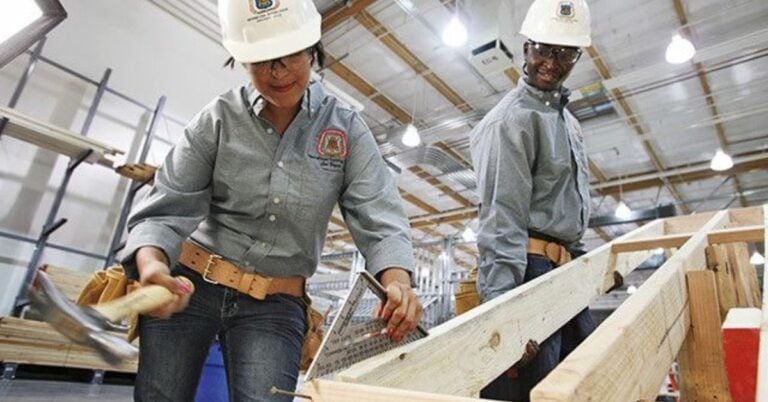
Carpenter Jobs in Italy can be a good opportunity for skilled tradespeople with experience in carpentry, shopfitting, and commercial construction work. The position is suitable for workers who can use hand and power tools and understand fit-out drawings.
Candidates should have proven carpentry or shopfitting experience on commercial sites. A recognised trade qualification or trade certificate is also a strong advantage.
The job requires practical skills, attention to detail, and the ability to work on your feet for a full shift. Workers should also be physically fit enough to lift, bend, stand, and complete normal site duties.
Vacancy Details
- Job Title: Carpenter
- Location: Italy
- Industry: Carpentry, Shopfitting, and Construction
- Experience: Proven carpentry or shopfitting experience on commercial sites
- Qualification: Recognised trade qualification or trade certificate preferred
- Drawing Skills: Ability to read fit-out drawings and setting-out details
- Tools: Good hand skills with hand and power tools
- Physical Requirements: Able to lift, bend, and stand for full shifts
- Job Type: Full time
About the Carpenter Job
A Carpenter works with wood and other materials to build, install, repair, or finish different parts of a building. In commercial shopfitting work, carpenters can also help create and install interior fittings, displays, counters, partitions, and other structures.
This opportunity is aimed at candidates who already have practical experience. Applicants should have worked in carpentry or shopfitting on commercial sites.
The ability to understand drawings is also important. Workers should be able to read fit-out drawings and setting-out details before starting their assigned tasks.
Apply Also: Construction Worker Jobs in Italy
What Does a Carpenter Do?
The exact daily duties are not provided in the supplied job information. However, a commercial Carpenter or Shopfitter may perform tasks such as:
- Reading fit-out drawings
- Understanding setting-out details
- Measuring and marking materials
- Cutting and preparing materials
- Installing timber and other fittings
- Building commercial interiors
- Using hand tools safely
- Using power tools correctly
- Checking measurements before installation
- Working with other construction workers
- Following site instructions
- Keeping the work area clean and safe
The actual duties can depend on the project and employer. Candidates should confirm the complete job description before accepting an offer.
Carpentry Experience
Proven carpentry or shopfitting experience on commercial sites is required.
Commercial projects can involve different types of interior work compared with small residential jobs. Therefore, applicants should clearly show their commercial experience on their CV.
Relevant experience may include:
- Commercial carpentry
- Shopfitting
- Interior fit-out work
- Timber installation
- Commercial building projects
- Joinery work
- Installation work
- Construction site experience
When writing your CV, mention the type of projects you have worked on and the main tasks you completed.
Trade Qualification
A recognised trade qualification or trade certificate is a strong advantage for this position.
If you have completed a recognised carpentry apprenticeship, trade course, or professional certificate, include it clearly in your CV.
Candidates should provide the name of the qualification, training provider, and completion date where possible.
If you do not have a formal trade certificate, do not add one to your CV. Instead, clearly explain your practical experience and skills.
Reading Fit-Out Drawings
The ability to read fit-out drawings and setting-out details is an important skill for this role.
Carpenters working on commercial projects often need to understand measurements, locations, dimensions, and installation details before starting work.
Candidates should be comfortable reading construction drawings and using the information to complete their assigned tasks.
If you have previous experience working from technical drawings, shop drawings, or fit-out plans, mention this clearly in your CV.
Hand and Power Tools
Good hand skills are required for this Carpenter position.
Carpenters commonly use different hand and power tools to measure, cut, shape, assemble, and install materials.
Depending on the project, tools may include:
- Measuring tools
- Hand saws
- Drills
- Screwdrivers
- Sanders
- Power saws
- Nail guns
- Other carpentry tools
Workers should know how to use tools safely and correctly. Experience with commercial installation tools can also be useful.
Physical Requirements
Carpentry and shopfitting work can be physically demanding.
Applicants should be physically fit enough to lift, bend, and stand for full shifts. Depending on the project, workers may also need to move materials, work in different positions, and spend much of the day on their feet.
Candidates should understand the physical nature of the work before applying.
Good physical ability can help workers complete daily tasks safely and efficiently. However, applicants should only claim physical abilities that they genuinely have.
Work Environment
Commercial carpenters and shopfitters can work on construction sites, commercial buildings, retail spaces, offices, hotels, and other fit-out projects.
The work environment can change from one project to another. Some tasks may take place indoors, while construction or installation work can also involve unfinished areas.
Workers should be comfortable following site rules and working alongside other tradespeople.
Safety is important when using hand and power tools. Workers should follow all site safety instructions and use the required protective equipment.
Who Can Apply?
This Carpenter opportunity may suit skilled workers who already have commercial carpentry or shopfitting experience.
A suitable candidate should have:
- Proven carpentry experience
- Commercial site experience
- Shopfitting experience
- Ability to read fit-out drawings
- Ability to understand setting-out details
- Good hand skills
- Experience with hand and power tools
- Physical ability to complete full shifts
- A recognised trade qualification if available
The supplied information does not provide a specific age requirement, salary, employer name, city, working hours, or contract details.
Salary and Benefits
The salary has not been provided in the supplied job information.
Employee benefits are also not specified. Candidates should ask the employer for complete details before accepting an offer.
Important questions include:
- What is the salary?
- Is the salary hourly or monthly?
- Is overtime paid?
- What are the normal working hours?
- Are tools provided?
- Is accommodation available?
- Is transportation provided?
- What type of employment contract is offered?
- Are meals or other benefits included?
Getting these details clearly can help avoid confusion later.
Visa and Work Permit
The supplied information does not state whether visa sponsorship is available for Carpenter Jobs in Italy.
International applicants should not assume that the employer provides a work permit or relocation support. Candidates should first check their legal right to work in Italy.
If a work permit is required, ask the employer whether they support the relevant process. Current Italian work authorization requirements should also be checked through official government sources.
How to Prepare Your CV
A strong CV should focus on your practical carpentry skills.
For Carpenter Jobs in Italy, clearly mention your commercial site experience near the top of your CV.
Include:
- Full name and contact details
- Carpentry experience
- Commercial site experience
- Shopfitting experience
- Trade qualifications
- Trade certificates
- Fit-out drawing skills
- Setting-out experience
- Hand tool skills
- Power tool skills
- Relevant safety training
- Previous employers and projects
If you have worked on large commercial projects, mention the type of project and your responsibilities.
Application Tips
Before applying for Carpenter Jobs in Italy, check that you meet the main requirements.
Make sure your CV shows your carpentry or shopfitting experience. If you have a recognised trade certificate, place it clearly in your qualifications section.
Also mention your experience with fit-out drawings and setting-out details. Employers need to know that you can understand project information and complete work according to the required measurements.
During an interview, you may be asked about the tools you use, previous commercial projects, drawing skills, and your experience with different types of fit-out work.
Final Thoughts
Carpenter Jobs in Italy can suit skilled tradespeople with commercial carpentry or shopfitting experience. The position requires practical knowledge, good tool skills, and the ability to understand fit-out drawings and setting-out details.
A recognised trade qualification or certificate can strengthen an application. Candidates should also be physically fit enough to lift, bend, and stand for full shifts.
The supplied job information does not provide the employer name, location, salary, working hours, benefits, or visa details. Applicants should confirm these conditions directly with the employer before accepting a position.